
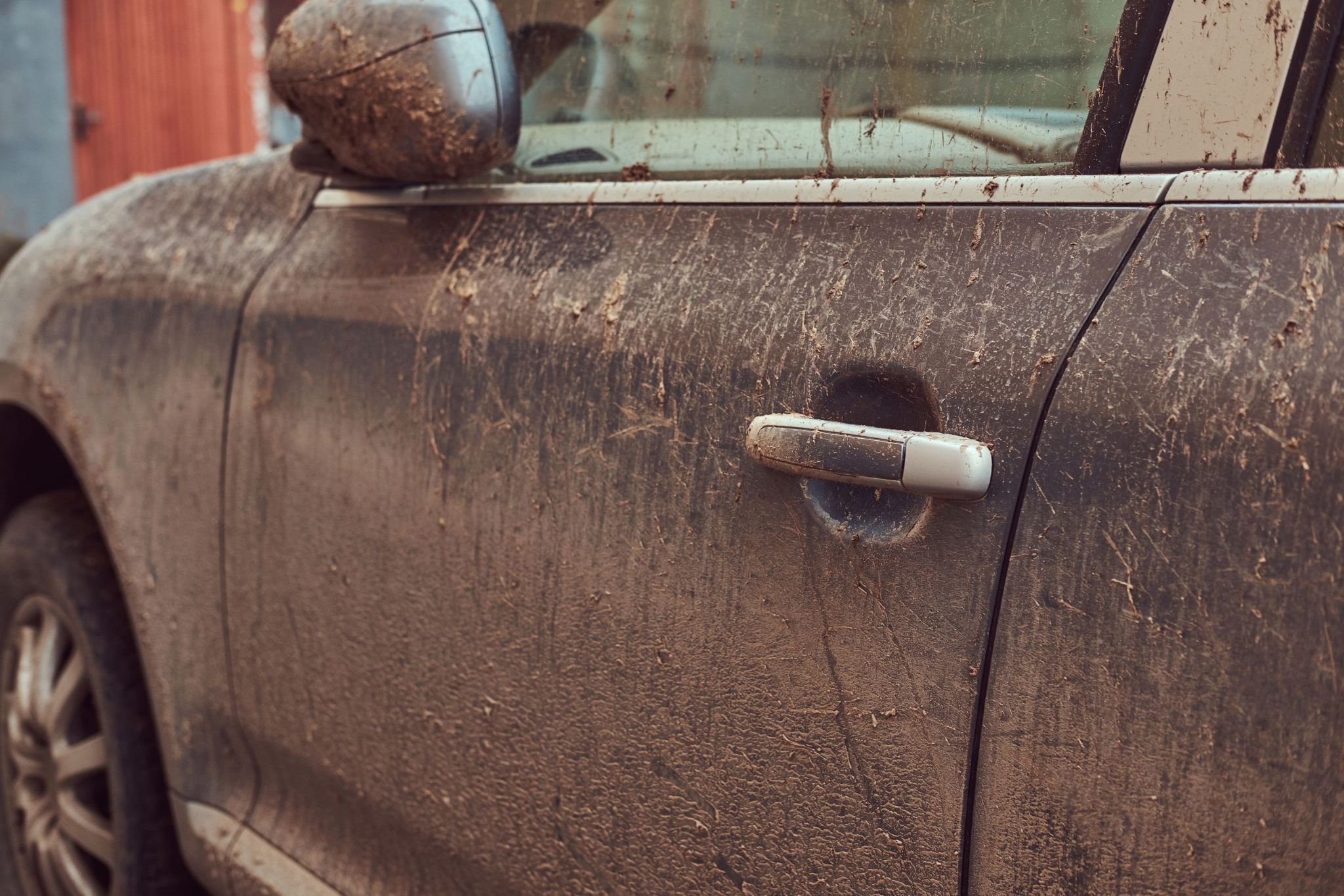
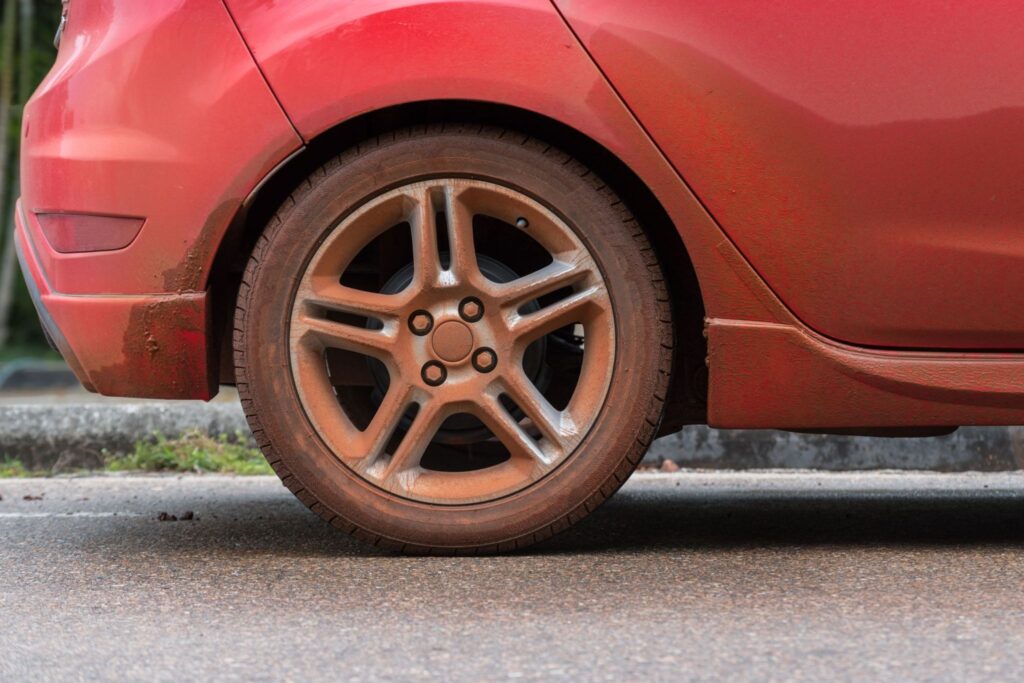
If you’ve lived in Tennessee for a while, you’ve seen the stubborn, rusty-orange coating that clings to wheel wells, bumpers, and practically every nook and cranny of your vehicle’s exterior. Tennessee’s famous red clay is as much a part of the landscape as the Great Smoky Mountains, but while it’s beautiful on a sunset horizon, it is a nightmare for your vehicle.
For most drivers, a standard wash focuses on the obvious: a shiny hood and clear glass. However, the full exterior surface of your car, including panels, trim, wheels, and crevices, is under constant assault. In the Volunteer State, the red clay and road dust are working to dull, contaminate, and ultimately shorten your paint’s lifespan.
The Science of Red Clay
Tennessee’s red clay is more damaging than standard dirt because of its composition and consistency.
- Iron Oxide Content: The clay’s red color comes from high levels of iron oxide.When this mud bonds to your clear coat and paint, you are essentially pressing an oxidizing agent directly against your vehicle’s finish.
- The “Plaster” Effect: Unlike sandy soil that washes away easily, wet red clay has a high aluminum silicate content, making it sticky. Once it embeds into your paint’s surface, it dries into a concrete-like crust that a standard wash simply cannot remove.
- Moisture Trapping: This clay crust acts as a sponge. It traps humidity and road contaminants against your paint and trim, creating the conditions for accelerated oxidation, fading, and staining.
Why a Regular Car Wash Isn’t Enough
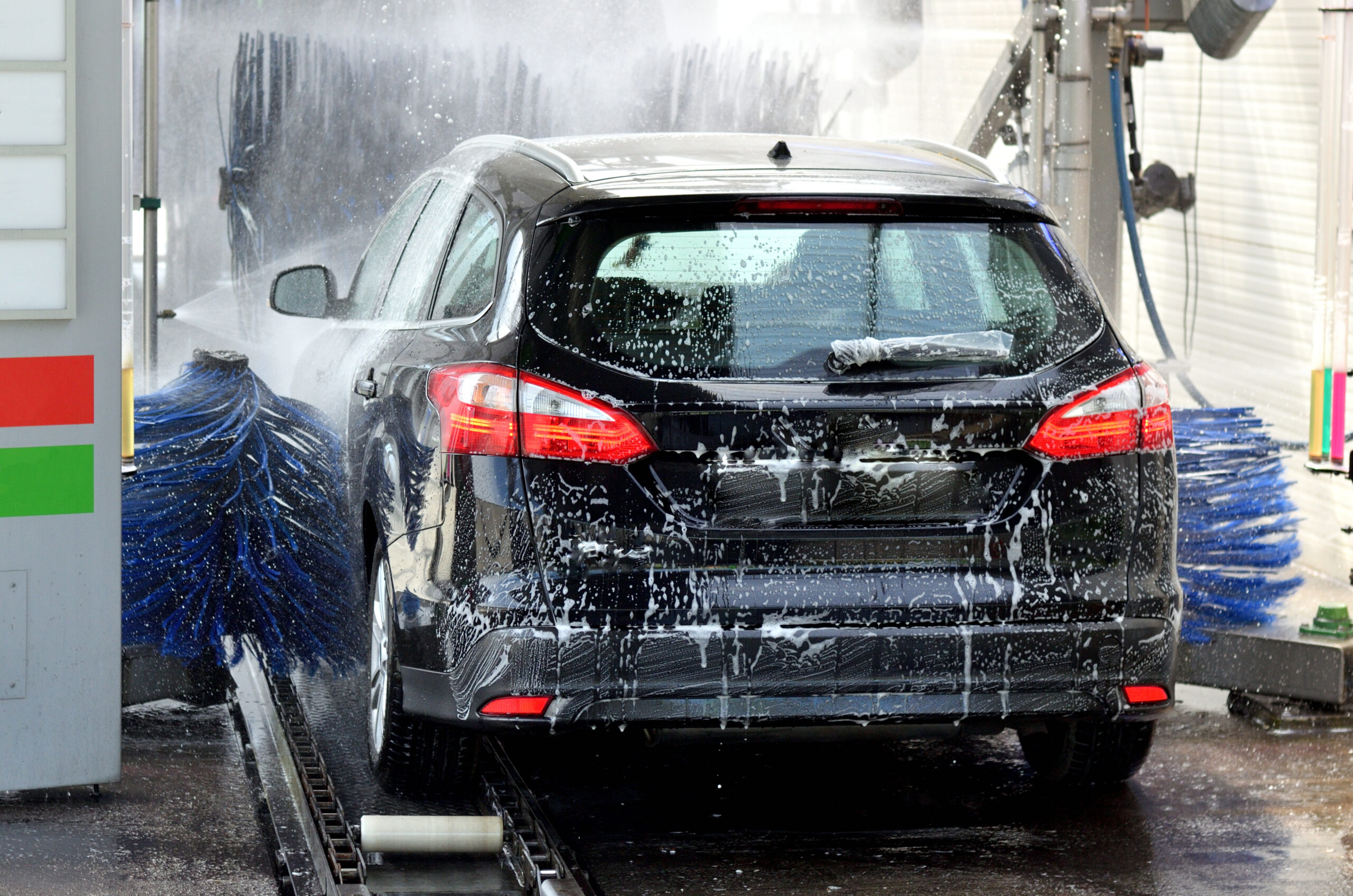
Most automated car washes offer a rinse cycle, but high-pressure water alone rarely has the angle or persistence necessary to dislodge clay that has baked into the microscopic pores of your paint. If you frequently navigate rural backroads or drive through construction zones, your exterior is likely embedded with layers of contamination invisible to the naked eye but very much felt when you run a hand across the surface.
Over time, this buildup etches into the clear coat, causes water spots to become permanent, and makes every future wash less effective — because you’re washing over a layer of bonded grime, not bare paint.
Shifting to Preventative Maintenance
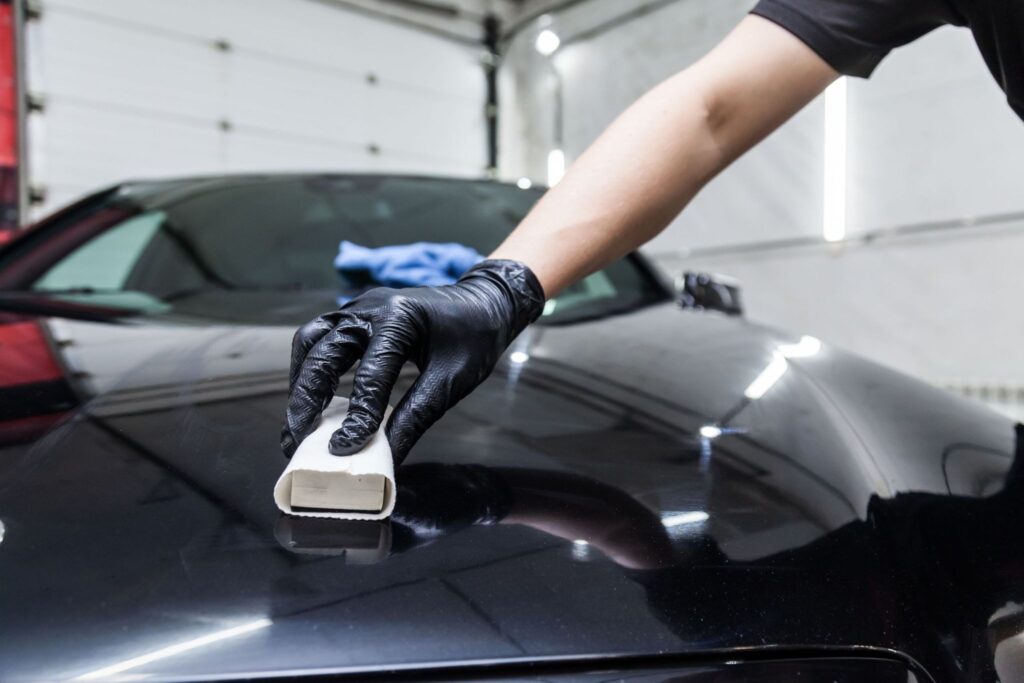
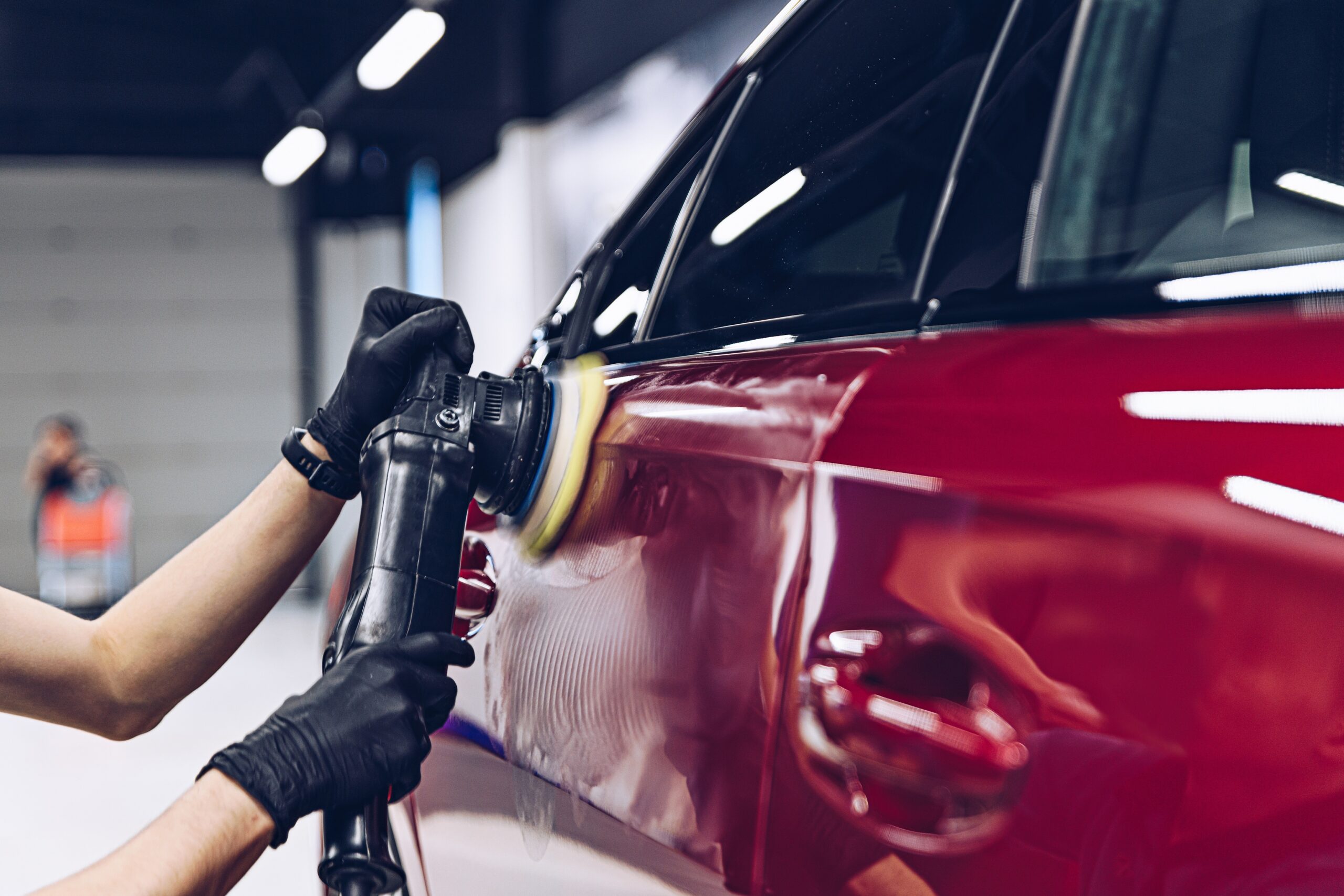
First, you should think of auto detailing as essential mechanical maintenance, not a luxury. Just like you protect your engine with regular oil changes, you need to protect your paint with proper decontamination. A professional detailer uses clay bar treatments to physically lift bonded contaminants from the surface of the paint — iron deposits, tar, industrial fallout, and yes, red clay — restoring a smooth, clean foundation that washing alone can never achieve.
Furthermore, once the surface is stripped clean of contaminants, applying protective coatings can provide a long-term defense. Ceramic coatings or specialized sealants create a barrier that prevents mud from sticking in the first place, so the clay will slide right off the next time it rains.
Professional Care for Your Mobile Investment
Full Speed Mobile Detailing specializes in the deep-cleaning techniques required to combat Tennessee’s unique environment. By removing the red clay and applying high-grade protection, we ensure that the grime stays on the road and off your car. Book your professional deep clean service today!